Rescue Diver Overview
This overview explains what the Rescue Diver course includes with Scuba Life. Schedules, pricing, and enrollment are available on the Rescue Diver course page.
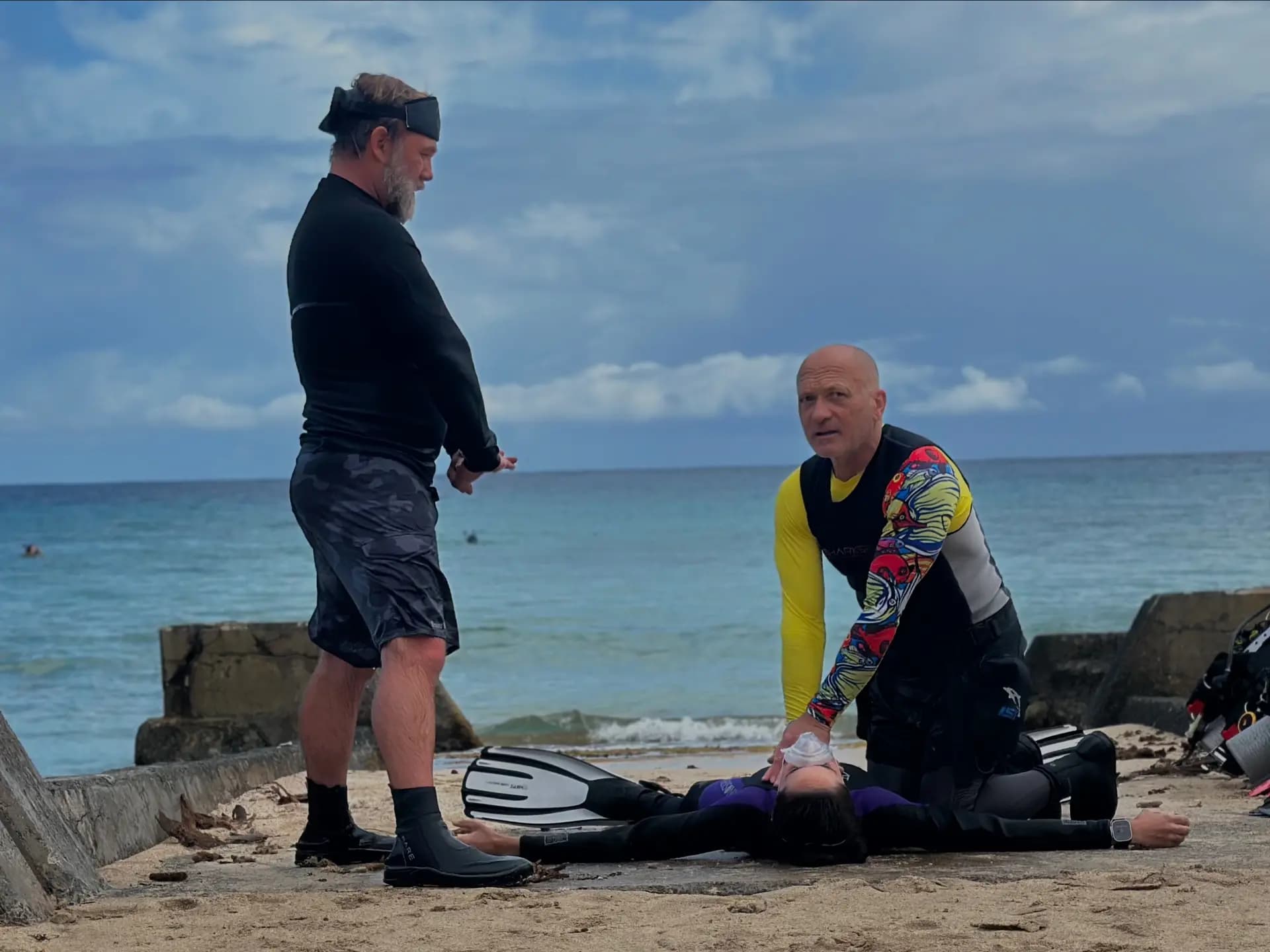
What Is Rescue Diver?
Rescue Diver is the course that expands your awareness beyond just your own dive and your buddy's. You learn to recognize problems early, respond when something goes wrong, and prevent situations from escalating into emergencies.
Most divers describe it as the most challenging step in recreational scuba—and also the one they are most proud to complete. You are not becoming a medic on the beach. You are becoming the diver who stays calm, aware, and helpful when it matters most.
Scuba Life runs Rescue Diver training for divers in Los Angeles, Ventura, and Orange County who want real-world skills, not just another certification.
What You Will Work On
Training covers self-rescue, tired and panicked diver responses, search patterns, surface and underwater assists, and how to think through an emergency instead of freezing.
Instructors run realistic scenarios so you can apply what you learn under pressure, where it matters most.
The goal is a shift in mindset: anticipate problems, communicate clearly, and act with control. Graduates often say everyday diving feels different because they recognize stress and risk earlier.
What the Course Includes
eLearning materials for independent study. You complete the online portion at your own pace and review key knowledge so it stays fresh before water sessions.
Open water training at Catalina Island or a local Southern California beach, depending on how your class is scheduled. This is where you apply rescue skills in real conditions.
Official Rescue Diver certification is issued once all requirements are met. Your paperwork and globally recognized certification are processed through us, allowing you to continue into leadership courses or travel with proof of training.
Prerequisites and Readiness
You must be a certified Advanced Open Water diver (or equivalent) to enroll in Rescue Diver. Current CPR and first aid training is also required, typically Emergency First Response (EFR), which can be completed through us if needed.
A medical questionnaire is required at enrollment, as with all scuba courses. Rescue training is physical—come rested, hydrated, and prepared to repeat skills until they become second nature.
Advanced Open Water and additional time in the ocean make Rescue training more effective and less overwhelming.
Why Divers Say It's Demanding
Rescue Diver includes more task loading than a typical fun dive. You may be towing a diver, managing equipment, and communicating a plan while your heart rate is elevated. That is intentional training.
Scuba Life instructors understand Southern California diving, Catalina boat days, and the realities of how dive situations actually develop. Scenarios reflect cold water, kelp, boats, and buddy teams—not just textbook examples. We challenge you throughout the course, but the goal is for you to finish prepared. Confidence in Rescue comes from repetition and honest feedback, not from rushing through the final day.
Local Beach or Catalina Weekend Training
Some Rescue Diver classes are conducted at mainland beach sites, while most take place at Catalina Island during a Catalina Weekend. This is based on scheduling and conditions. Your confirmation email will outline your specific meeting locations and session details.
Local beach environments involve sand entries, lower visibility, and surf conditions. Timing entries and exits through beach break waves is an important safety factor and becomes part of the training stress environment during rescue scenarios.
Catalina offers clearer visibility, generally calmer surface conditions, and shore access via cement steps into Casino Point Dive Park, creating a more controlled environment for executing rescue scenarios and skill development.
Both locations meet training requirements when all Rescue skills are completed with your instructor. Pairing Rescue Diver with a Catalina Weekend is most common for divers who prefer island conditions and a focused training environment with less surf-related entry and exit complexity.
Where Rescue Fits in Your Path
Rescue is a natural bridge toward becoming a more confident and aware recreational diver. Liveaboard operators and experienced buddy teams recognize when a diver has Rescue-level training.
It also makes you a stronger buddy on everyday dives. You become the diver who notices gear issues, watches stress levels, and speaks up before small problems become bigger ones.
Many Scuba Life students complete Rescue after finishing their five specialty courses to earn Master Scuba Diver, then continue with Catalina Weekend trips, additional specialties, or eventually professional-level training.
How to Enroll
This page is an overview only and does not list class pricing or start dates. Visit the Rescue Diver course page on our website for current schedules, fees, and the enrollment button.
If you have questions about prerequisites, EFR requirements, or which session is right for you, contact us. We'll help you choose the correct class before you book.
Skills You Build in Rescue Diver
Prevention, assists, and scenario-based training that prepares you before and during your course sessions.
eLearning
Complete academic study on your own schedule before water training begins.
Beach or Catalina Training
Open water rescue training takes place at local beach sites or on Catalina Island, depending on scheduling and conditions.
Real Scenarios
Practice assists, search patterns, and emergency decision-making under instructor supervision.
Rescue Diver Certification
Globally recognized Rescue Diver certification awarded once all requirements are successfully completed.
Enroll and Related Overviews
Confirm Advanced Open Water pre-requisite and CPR or EFR requirements, then book on the course page.
Ready to Start Your Diving Journey?
Book a course, join a local or international trip, or connect with our team serving Los Angeles, Ventura, and Orange Counties.