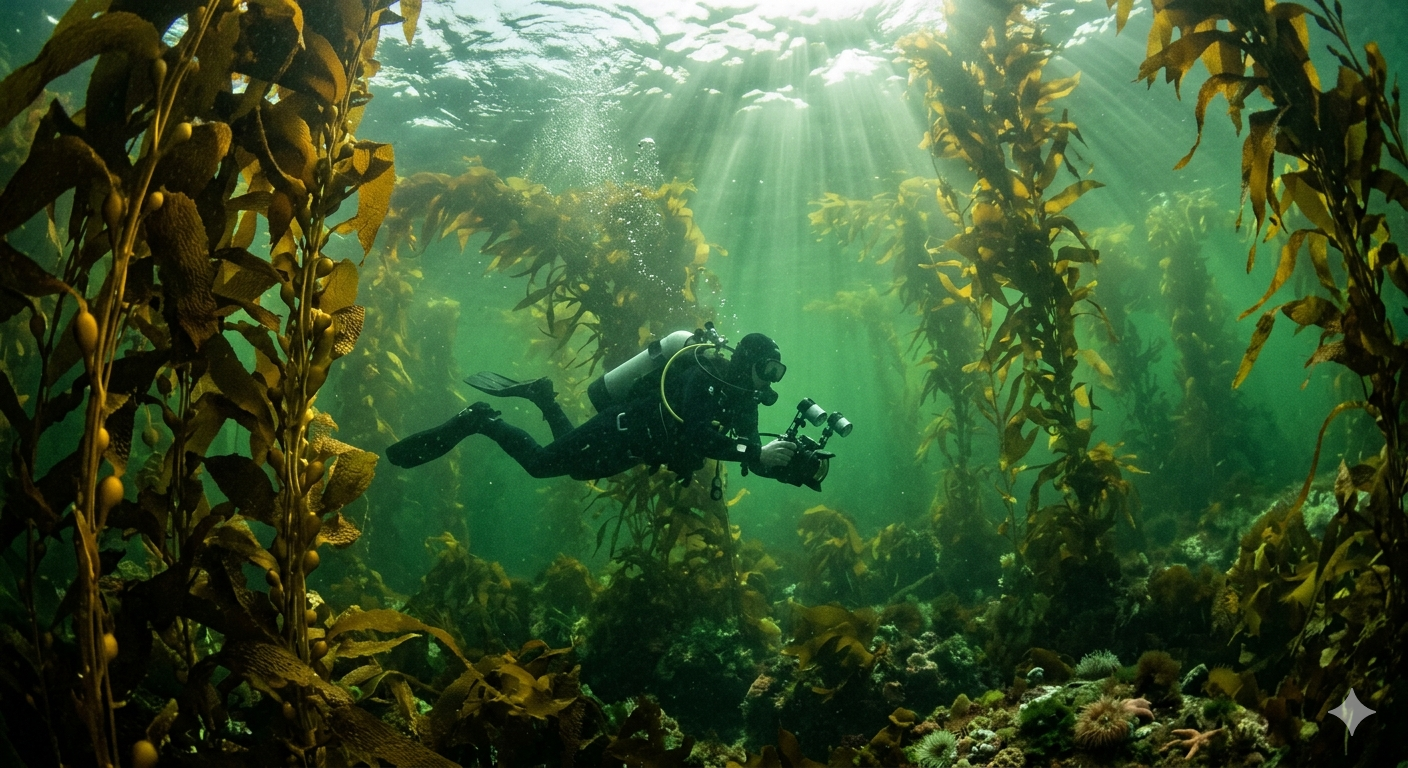
Planning dives in LA, Ventura, or Orange County? Learn how SoCal visibility, water temperature, surge, and seasons affect your dives—and how to dress and dive s
Why SoCal Diving Feels Different From the Tropics
If your only reference is warm, clear Caribbean water, Southern California will surprise you—in a good way. Our coast offers kelp forests, rocky reefs, seasonal marine life, and conditions that change week to week. Visibility, temperature, and surge are the three factors every local diver learns to read. Understanding them helps you choose the right wetsuit, pick better dive days, and enjoy Pacific diving instead of fighting it.
Water Temperature: What to Wear and When
Surface temperatures along Los Angeles and Ventura County typically range from the high 50s°F in winter to the mid-60s°F in late summer and early fall. At depth, it is often several degrees cooler. Most divers use a 7 mm wetsuit year-round; some add a hood and gloves in winter, while others switch to a semi-dry or thicker suit for comfort. New divers often underestimate how much thermal protection matters—being cold shortens dives and makes skills harder. Dress for the coldest part of your dive, not just the surface.
Visibility: Good Days, Tough Days, and Realistic Expectations
Visibility off Southern California is highly variable. On a great day you might see 30–40+ feet inshore or more offshore; on a challenging day it can drop to 10–15 feet or less after swell, runoff, or plankton blooms. Summer and early fall often bring the clearest water along much of the coast, but local geography matters—some sites clear faster than others after storms. Do not skip a dive only because visibility is moderate; kelp and reef life are often right in front of you. Do adjust your expectations, stay closer to your buddy, and plan navigation conservatively when viz is limited.
Surge, Swell, and Entry Techniques
The Pacific is rarely flat. Surge—the back-and-forth water movement near shore and in shallow kelp—affects how you enter, descend, and maintain buoyancy. Shore entries at beaches and coves require timing waves, keeping gear streamlined, and following your instructor’s briefing. Boat dives reduce surf at the entry but you may still feel swell underwater. Learning to relax in surge, use proper weighting, and fin efficiently saves energy and air. These skills are core to confident California diving.
Kelp Forests: Our Signature Dive Environment
Giant kelp defines diving from Ventura through Orange County and the Channel Islands. Kelp offers structure, shelter for fish, and stunning light when the surface is calm. It also creates entanglement risk if you are careless with hoses and consoles. Streamline your gear, maintain awareness, and practice controlled ascents and descents along the kelp column. Many divers fall in love with California diving the first time they hover in a sunlit kelp cathedral—preparation makes that moment safer and more enjoyable.
Seasonal Patterns: When Locals Prefer to Dive
Late summer through early fall is often considered peak season for visibility and comfortable water temperatures. Winter can bring colder water but also fewer crowds and different wildlife opportunities. Spring runoff after rains may reduce nearshore visibility temporarily. Weekday dives often mean calmer boat ramps and sites than busy summer weekends. There is no single “bad” season—there are seasons that reward different goals: training, photography, lobster season (where permitted), or simply logging more comfortable hours underwater.
Catalina and the Channel Islands: A Step Up From Shore
Many Southern California divers train locally, then expand to boat trips—Catalina Island and other Channel Islands destinations are favorites. Boat diving adds logistics: ferry or charter timing, hotel stays, surface intervals, and sometimes stronger currents offshore. The reward is different topography, often better visibility than many mainland sites, and memorable encounters with kelp, garibaldi, and seasonal visitors like horn sharks or (in the right season) larger pelagic life. If you are certified and ready to move beyond pool and shore training dives, a Catalina weekend is a classic SoCal milestone.
Gear, Fitness, and Local Etiquette
Beyond a proper wetsuit, locals invest in reliable masks, cutting tools for kelp, and lights for deeper or shaded areas. Fitness matters—surface swims, gear walks, and current all add up. Respect marine protected areas, do not touch wildlife, and follow boat crew instructions. If you rent gear, check fit before you leave the dock. If you buy gear, prioritize comfort and service from a shop that actually dives the same waters you will.
Dive Smarter With Scuba Life
Whether you are finishing Open Water training or logging your fiftieth local dive, conditions awareness makes every dive better. Scuba Life instructors dive these waters year-round and build that realism into courses, trips, and guided experiences across Los Angeles and Ventura County. Browse courses and trips at scubalife.net, or call 714-728-2300 to ask about training, Catalina weekends, and what conditions to expect on your next dive.